


What is Cloud Phone?
 2025-11-26 15:00:00
Cloud Phone—Opening a New Era of Mobile Internet
(1) Definition and Principles of Cloud Phone
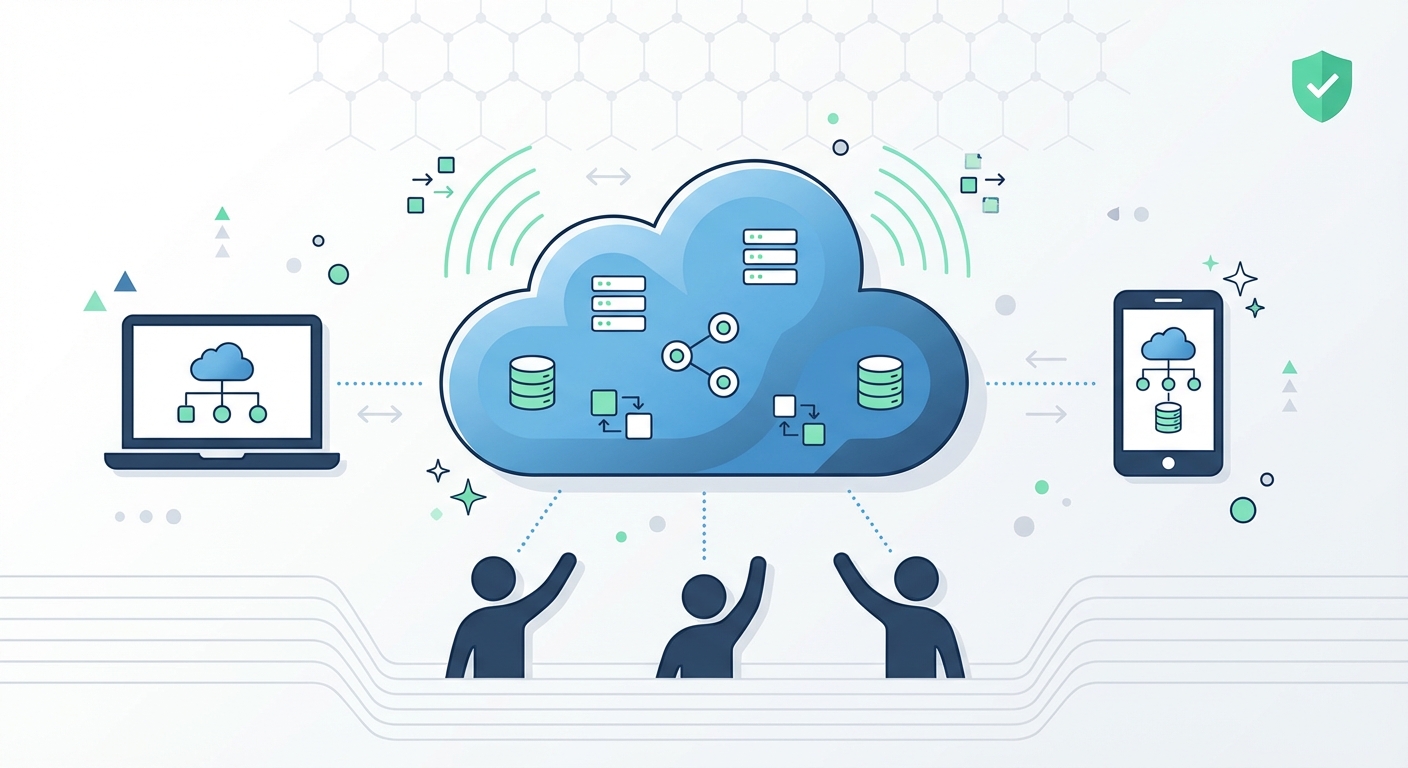
"Cloud Phone" is an Android instance (operating system) provided to users/customers in the cloud, based on public cloud and ARM virtualization technology. Users/customers can remotely control the cloud phone in real-time through video streaming, ultimately enabling Android native apps and mobile games to run in the cloud.
In simple terms, Cloud Phone is a virtual phone running in the cloud without a physical entity, provided as a rental service. The entry point can be an app or a cloud platform. Functionally, except for making phone calls and taking photos, cloud phones are essentially the same as traditional phones.
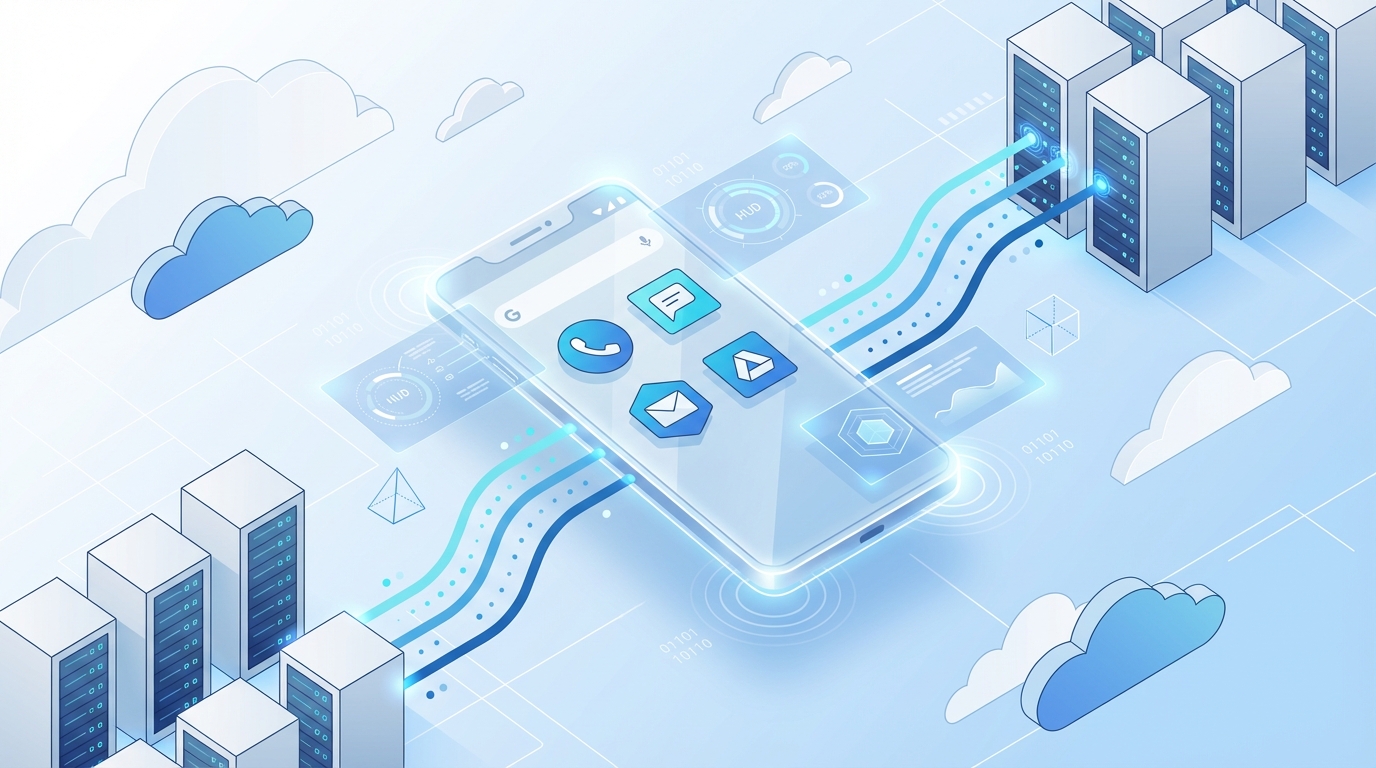
With Cloud Phone, even low-end phones can smoothly play various mobile games. On terminal hardware devices such as computers and tablets, people can easily control cloud phones and access various files or apps. At that point, phones and computers are just being used as "screens".
(2) Why Do We Need Cloud Phones?
Everyone has a physical phone. Since we already have physical phones, why do we need cloud phones? This starts with the functionality and positioning of mobile phones.
The mobile phone was invented in 1973 (celebrating its 50th anniversary this year). As a great invention, it has greatly enhanced communication and connection between people, making social collaboration more seamless.
After the emergence of smartphones and mobile internet, phone functionality has become more powerful, integrating almost all digital products into one, applicable to all areas including daily necessities, food, housing, transportation, leisure, and entertainment.
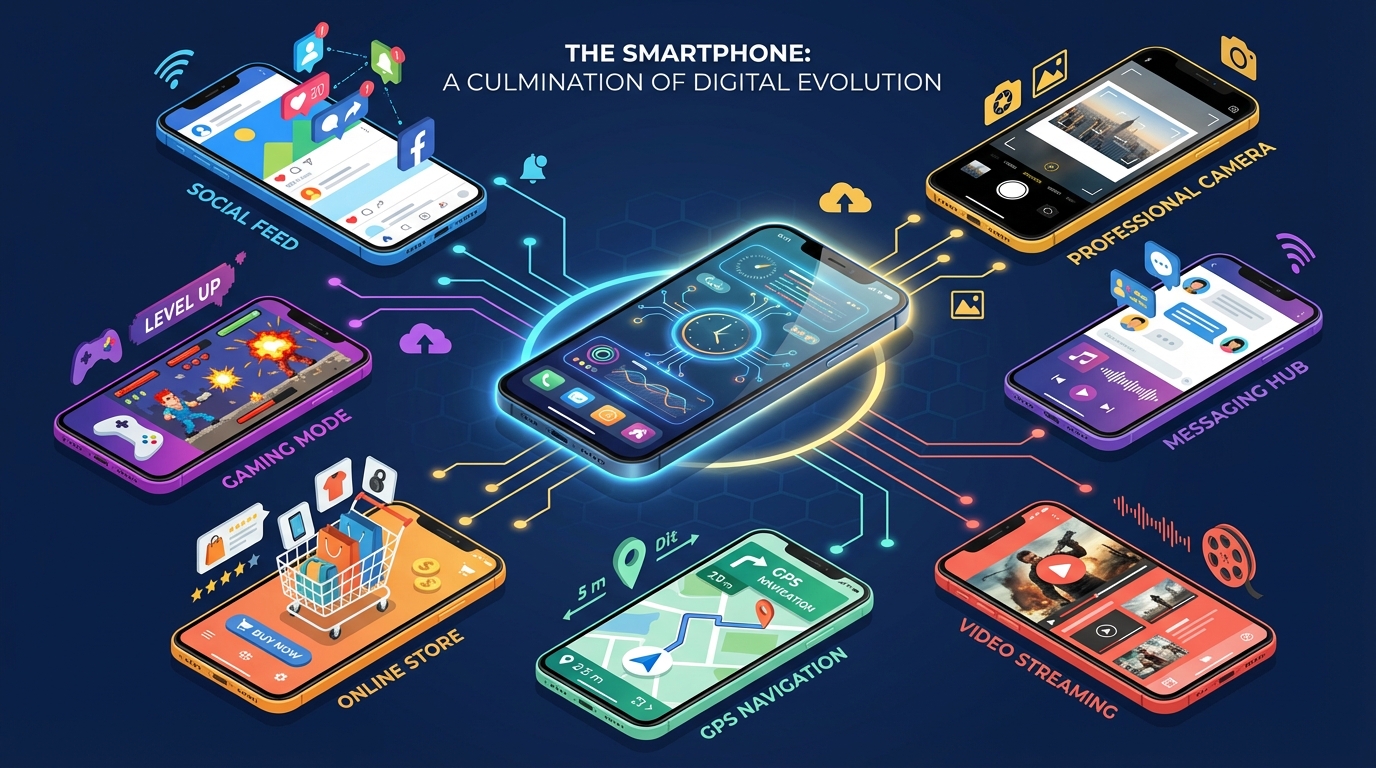
In essence, a phone is a mobile ultra-compact computer. Computing power is its core, while cameras, gyroscopes, screens, microphones, and speakers are its functional accessories. All phone functions are implemented around the SoC main chip (which also integrates graphics processing and baseband functions). The computing power of the chip determines its capabilities.
So here's the problem. Phone configurations vary from high to low. High-end configurations are expensive, and if you buy a low-end one, the user experience will be limited. Moreover, phone products upgrade rapidly. After using it for a year or two, when the configuration can't keep up, what should we do?
This is where the value of Cloud Phone becomes evident. The computing power of physical phones is determined by the phone's SoC chip. Cloud phones, however, are built in the cloud, with computing power determined by cloud capabilities. Cloud capabilities are theoretically unlimited.
Therefore, the essence of cloud phones lies in creating a more powerful "secondary device" in the cloud to complete tasks that physical phones cannot complete or are inconvenient to complete.
(3) Application Scenarios of Cloud Phones
Gaming Scenarios
From its inception, cloud phones had a critical use case: game idle running. Gamers know that some games require players to keep them running for long periods. With your own physical phone, sometimes you need to work or do other things, making it impossible to keep the game running continuously. Moreover, continuous idle running makes the phone hot, and battery life can't sustain it.
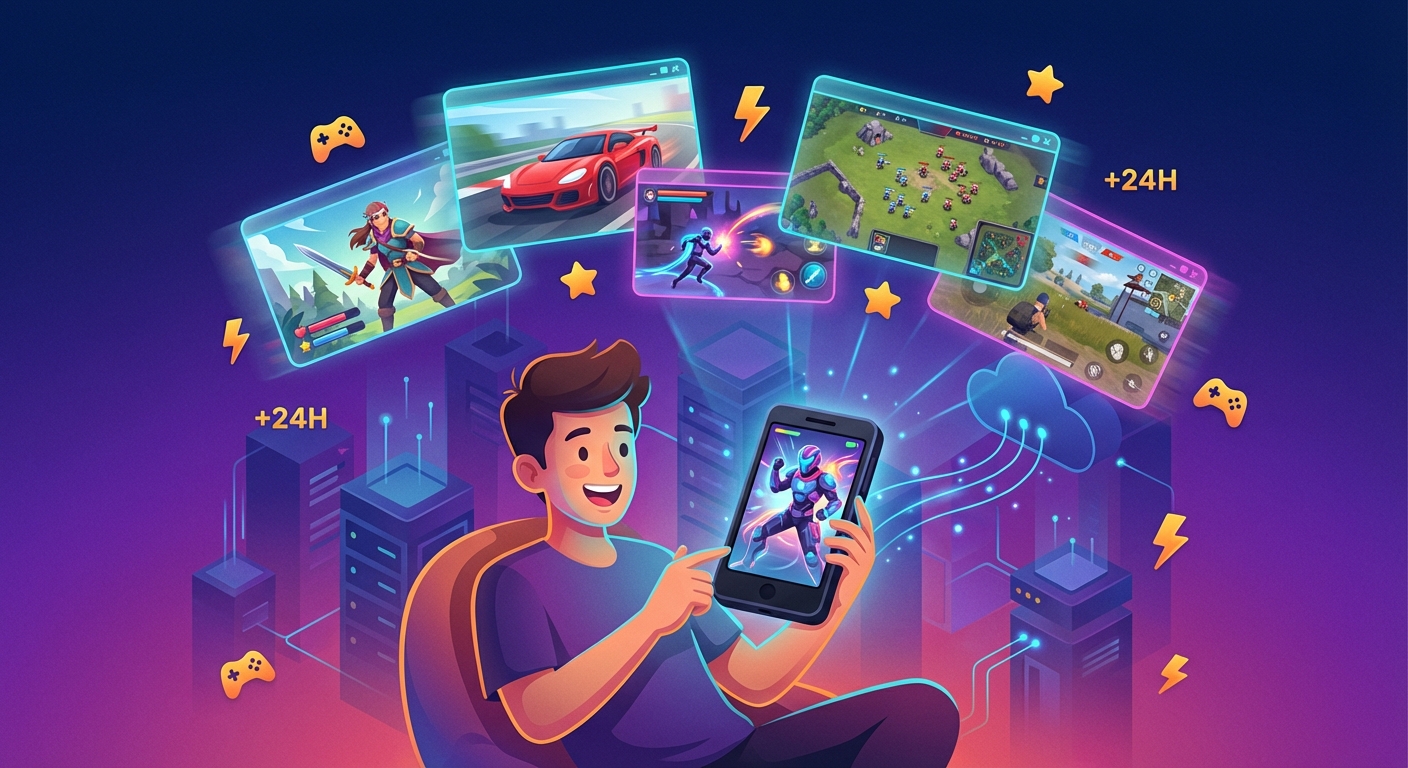
With Cloud Phone, these problems are solved. Games can run continuously in the cloud without disconnecting or running out of battery. Moreover, as mentioned earlier, even if you're using a low-end budget phone, it won't prevent you from playing large-scale games. Besides gaming, if you need to edit videos, you can also do it on cloud phones. The cloud's video rendering capabilities will significantly reduce your waiting time and improve video production efficiency.
Office Scenarios
Since phones became widespread, users have had the need for dual SIM cards. Many users still maintain the habit of using two phones simultaneously. The main reason is to separate work from personal life.
With Mobile Cloud Phone, you can migrate your office environment to the cloud. During work hours, open your cloud phone to communicate, attend meetings, view files, etc. After work, switch to your physical phone and return to personal life.
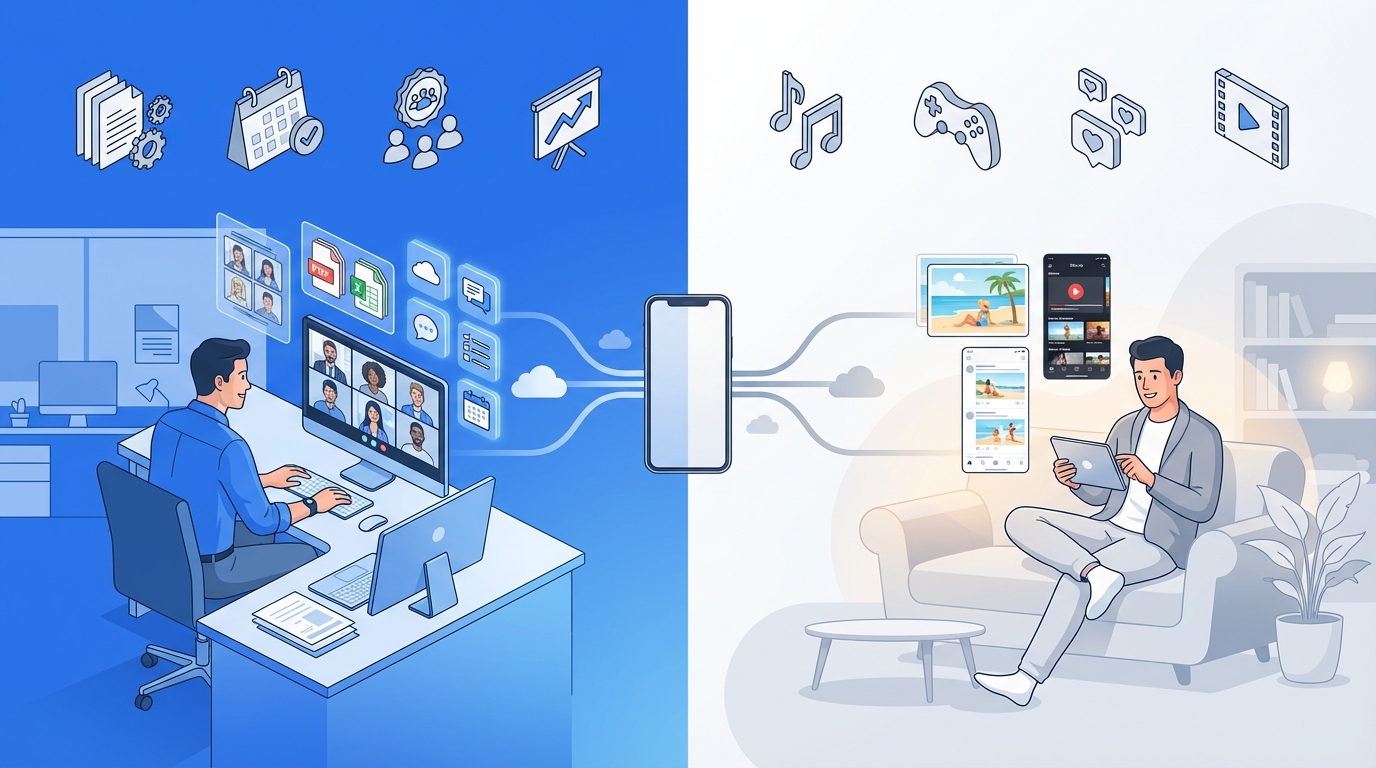
For enterprises, cloud phones as office assets can be transferred. When sales employees leave, transferring the cloud phone to their successor achieves the handover of important data such as customer contacts, work chat records, and cloud materials. Mobile cloud phones support multiple devices and numbers, not only allowing multiple cloud phones to be opened simultaneously but also allowing one cloud phone to be bound to multiple card numbers.
This easily achieves multi-app requirements, enabling multiple identities and multiple accounts to be online simultaneously. With only one physical phone, you need to switch logins repeatedly, which is very troublesome.
Daily Life Scenarios
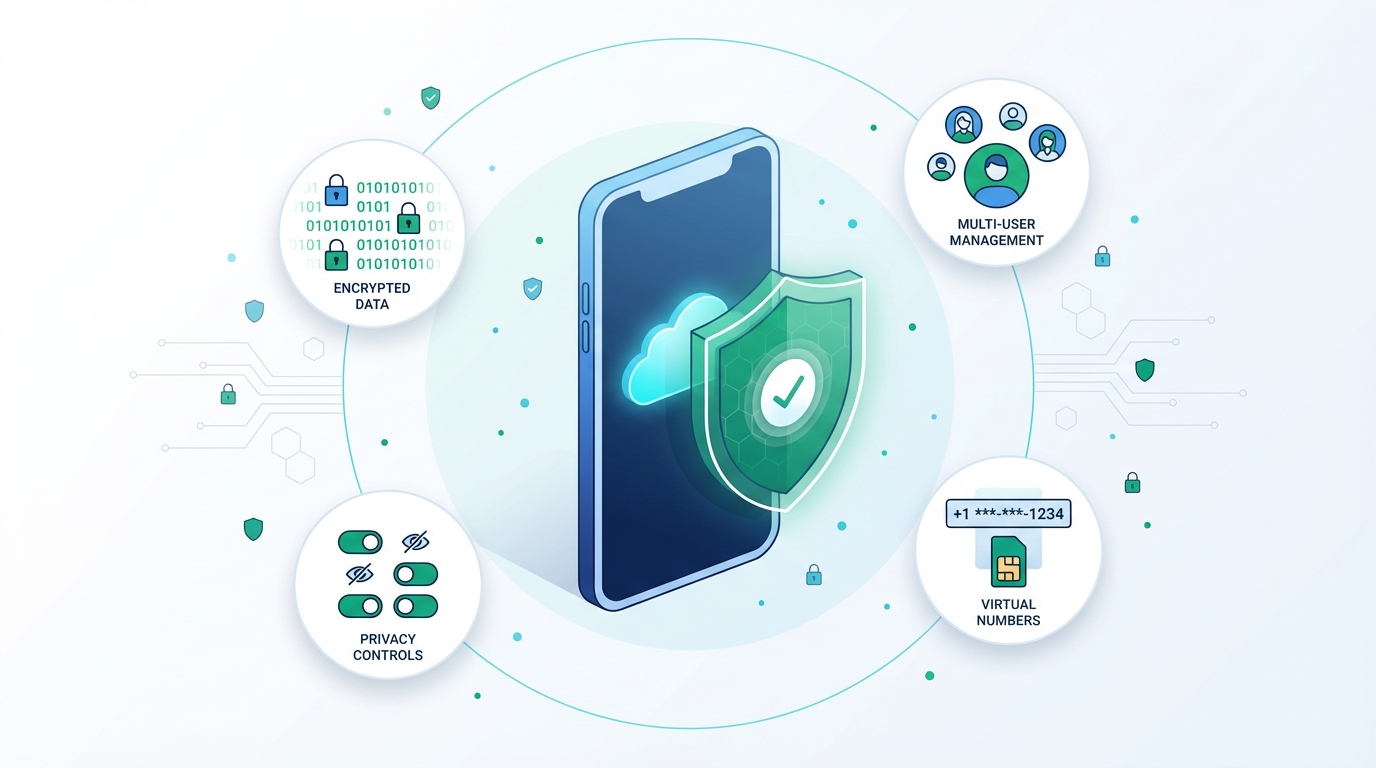
Cloud phones' multiple identity implementation has natural advantages for user privacy protection. Users can use different identities on cloud phones to access WeChat, QQ, Tantan, Momo, and other apps, protecting their real identity information.
When decorating or shopping, people are often asked to leave their phone numbers. With cloud phones, you can leave your cloud phone number, avoiding exposure of your real phone number, effectively avoiding spam calls.
For individual and family consumers, cloud phones have another huge advantage: multi-screen sharing. With TV-version cloud phones, you can turn your TV into a "big phone", allowing low-end TVs to play high-end mobile games. The TV's larger screen provides a better gaming experience.
Private Network Scenarios
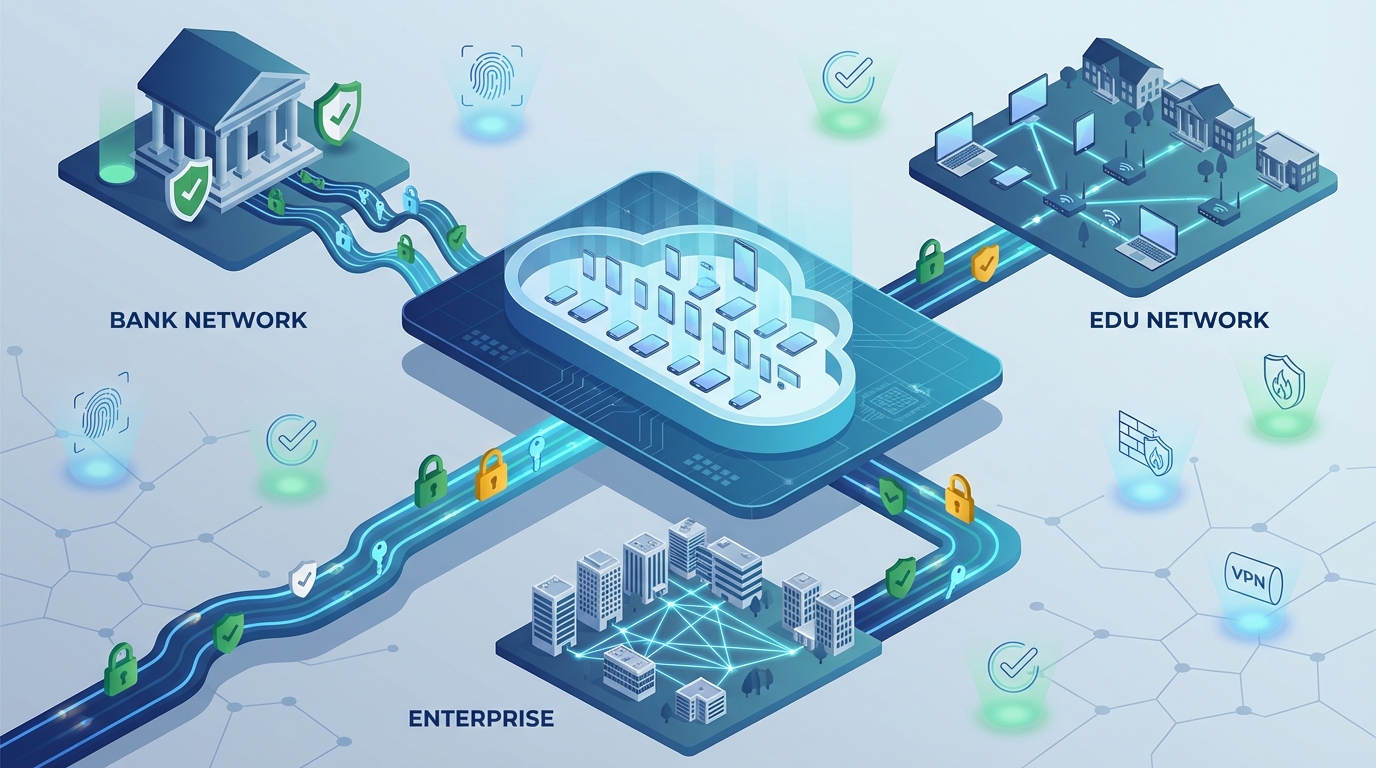
Now the entire society is undergoing digital transformation, and many enterprises have established their own industry-specific private networks, such as banking networks, education networks, campus networks, etc. Applying cloud phones to private networks can achieve secure access to private network data, prevent loss of business assets, and enable management and control.
For example, in customer trial scenarios, customers can experience enterprise business through cloud phones without separately installing apps (cloud phones support pre-installed apps) and without data leakage. After customers finish the trial, cloud phones can restore the environment with one click, which is very convenient and fast.
(4) Conclusion
What's mentioned above is just a part of the many application scenarios of cloud phones. As you can see, the significance of cloud phones is not to replace physical phones, but to become an extension of physical phones.
Its advantages in powerful computing, multiple identities, and environment isolation can meet the needs of many essential scenarios, with extremely imaginative application fields. Its user base is very broad, including esports enthusiasts, tech geeks, social media influencers, video creators, enterprise office workers, home users, private network users, and government users—all are potential target customers, with enormous market potential.
With the continuous development of cloud computing technology and the popularization of 5G networks, Cloud Phone will undoubtedly play an increasingly important role in the mobile internet era, bringing users more convenient and efficient mobile experiences!


- Useful Links
Compay Information




 Cookie Notice